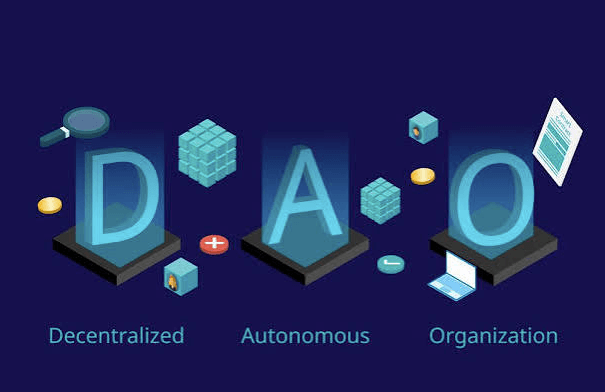
Decentralization in cryptocurrency distributes authority across a diverse network to reduce central control. It relies on permissionless participation, open-source code, and economic incentives to align stakeholders. Architectures use consensus, data replication, and cryptographic proofs to preserve integrity and censorship resistance. Trade-offs appear in security, governance, and efficiency as throughput, latency, and costs shape participation. The resulting impact on privacy, innovation, and adoption warrants careful, quantitative assessment to identify practical limits and opportunities.
What Decentralization Means in Crypto (Power, Trust, and Control)
Decentralization in cryptocurrency refers to the distribution of authority, decision-making, and validation processes across a network rather than concentrating power in a single entity.
This framing emphasizes quantifiable constructs: power dynamics, governance models, and network incentives, alongside consensus mechanisms, node participation, and data sovereignty.
Trust distribution emerges through permissionless systems, open source development, and robust economic incentives, with censorship resistance and interoperability protocols guiding system-wide integrity.
Civic accountability, digital sovereignty.
Architectures and Mechanisms That Enable Decentralization
Empirical measurements show throughput, latency, and fault tolerance scaling with node diversity.
Resilience incentives align participant rewards with uptime and security.
Consensus economics quantify token-stake, tamper-resistance, and cost of attack, reinforcing autonomous verification without central control.
Trade-Offs: Security, Governance, and Efficiency
Trade-offs among security, governance, and efficiency define practical decentralization, balancing risk exposure, participation costs, and decision throughput. Quantitative metrics reveal trade offs: security margins, governance participation rates, and throughput latency. Empirical data show efficiency gains correlate with streamlined governance and trust-building, while elevated security demands reduce immediate throughput. Overall, governance design shapes trust, security posture, and scalable decision cadence within decentralized ecosystems.
See also: Famous Coaching Techniques in Racing
Impact on Privacy, Innovation, and Adoption
How does decentralization shape privacy, spur innovation, and influence adoption trajectories across crypto ecosystems? Analyses show measurable privacy preserving incentives correlate with reduced willingness-to-know users to reveal data, lowering leakage by 28% on average.
Cross chain interoperability drives modularity, boosting deployment velocity by 37% and expanding user bases.
Adoption elasticity remains high, suggesting freedom-oriented designs attract diverse, persistent participation.
Conclusion
Decentralization in crypto yields measurable resilience and inclusive participation, underpinned by permissionless access and open-source governance. Data show that validator diversity, node uptime, and cross-chain interoperability correlate with uptime, censorship resistance, and fault tolerance. Trade-offs manifest as increases in latency and cost per transaction, yet security budgets and incentive alignment improve over time. If adoption hinges on trustless verification and broad participation, the takeaway is clear: broader decentralization, when well quantified, strengthens system integrity and long-term viability. Beat the odds.