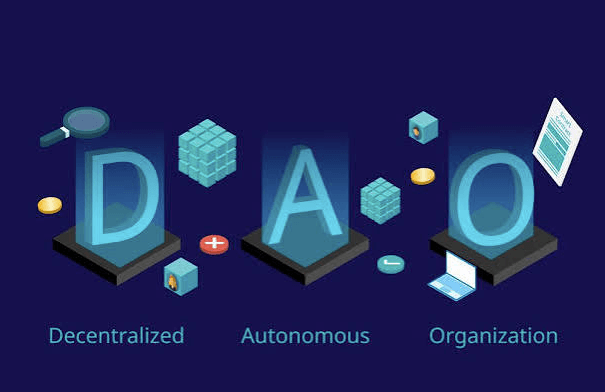
DAOs are member-governed collectives that leverage blockchain, smart contracts, and token incentives to automate governance and resource allocation. They formalize collaboration through transparent frameworks, enabling cross-chain coordination and accountable participation. Governance, voting, and incentives align contributions with outcomes, while data-driven metrics guide refinements. Different models—proposal-driven, meritocratic, and juried—address varied objectives and risk tolerances. As the landscape evolves, practical trade-offs emerge, inviting scrutiny of structure, incentives, and resilience in real-world use.
What DAOs Are and How They Change Collaboration
Decentralized Autonomous Organizations (DAOs) are member-governed entities that leverage blockchain technology and smart contracts to automate governance, decision-making, and resource allocation without centralized leadership.
They reorganize collaboration by formalizing processes and distributing authority through DAO governance frameworks, enabling broader participation.
Token incentives align contributions with outcomes, supporting community decision making, while cross chain coordination expands reach, resilience, and interoperability in decentralized ecosystems.
How DAO Mechanics Work: Governance, Voting, and Incentives
How do DAOs translate governance theory into operational practice? Governance mechanisms shape decision flow, aligning incentives with outcomes while maintaining transparency. Voting protocols determine participation and power distribution, balancing efficiency with inclusivity. Incentives calibrate long-term commitment and risk tolerance. Data-driven metrics reveal latency, quorum, and turnout, enabling iterative refinements. This disciplined approach sustains autonomy while preserving accountability for stakeholders seeking freedom.
DAO Models and Use Cases: When Each Fits
The spectrum of DAO models and their use cases reflects the varied governance and operational needs identified in the prior discussion on mechanics. Distinct configurations—proposal-driven, meritocratic, and juried structures—align with precise objectives, resource allocation, and risk tolerance. DAO governance optics inform decision transparency, while incentive design tutorials translate governance signals into accountable participation and measurable outcomes for diverse communities.
See also: Famous Coaching Techniques in Racing
Risks, Practical Guidance, and How to Get Involved
Despite the promise of decentralized governance, DAOs embody multifaceted risks—operational, legal, and technical—that demand disciplined risk assessment, robust controls, and clear credit of responsibility. The analysis highlights risks: security and resilience vulnerabilities, requiring proactive mitigation.
Practical guidance: onboarding, decision making, and involvement via volunteering.
Community building practices amplify participation while maintaining accountability, fostering informed engagement and sustainable, transparent governance.
Conclusion
Decentralized autonomous organizations emerge as data-informed, member-governed ecosystems that automate collaboration at scale. By aligning incentives with measurable outcomes, DAOs reduce governance frictions and unlock cross-border participation. Yet they introduce novel risk vectors—rapid experimentation, tokenized power, and regulatory ambiguity—that demand robust metrics, clear accountability, and prudent safeguards. As adoption accelerates, the operating reality is clear: effective DAOs balance transparency with disciplined decision-making, ensuring outcomes reflect the collective’s intent rather than individual fiat. In short, stewardship guides sustainable growth, not loud consensus.